
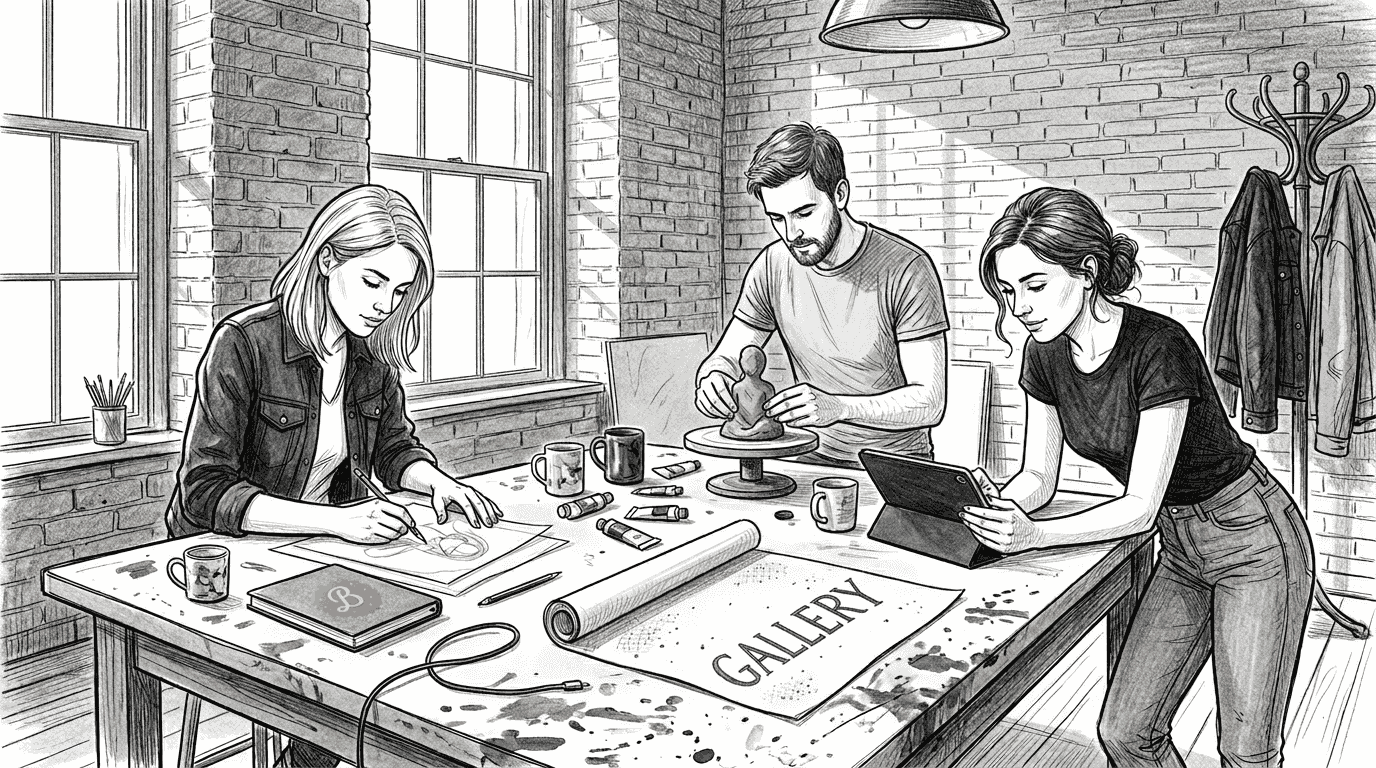
Many Irish artists believe their best work happens alone in the studio, but creative collectives provide a framework for collaboration that transforms both output and business success. A creative collective brings together artists, makers, and entrepreneurs who share resources, ideas, and support while maintaining their individual practices. This guide explains what creative collectives are, how they foster collaboration and business growth, the challenges you might face, and their vital role in sustaining Ireland's arts infrastructure. You'll discover practical steps to join or start a collective and learn how these communities address the unique needs of Irish creatives in 2026.
Key takeaways
| Point | Details |
|---|---|
| Definition and structure | Creative collectives are organised groups of artists sharing resources, goals, and mutual support to enhance individual and collective success. |
| Collaboration benefits | Members produce 22% more creative output through collaboration whilst accessing shared marketing and funding opportunities. |
| Common challenges | Decision conflicts and workload imbalance require clear communication structures and written agreements to maintain healthy collective dynamics. |
| Infrastructure impact | Collectives amplify advocacy for arts spaces and have driven 4x funding growth in 2026 across Irish artist communities. |
What a creative collective is and why it matters
A creative collective is a group of artists and makers who collaborate to share resources, ideas, and support whilst pursuing both individual and shared creative goals. Unlike casual networking or informal friendships, collectives have some level of organisation and work towards common objectives that benefit all members. Creative collectives provide a framework for Irish artists to collaborate and support each other's work in structured, meaningful ways.
These groups differ fundamentally from simply knowing other creatives. They involve active participation, shared responsibilities, and mutual investment in each other's success. The structure might be loose or formal, but there's always an understanding that members contribute to and benefit from the collective effort. For Irish creatives facing challenges in arts infrastructure and limited funding, collectives offer a practical solution to isolation and resource scarcity.
Creative collectives matter because they enable business growth and creative development that individual artists struggle to achieve alone. Members pool knowledge about pricing, marketing, and sales strategies. They share studio spaces, equipment, and exhibition opportunities. They collaborate on projects that would be impossible to undertake individually. This collaborative approach transforms how Irish artists build sustainable creative careers.
Key elements define successful creative collectives:
- Shared vision that aligns members' values and long term goals
- Mutual support through knowledge sharing and emotional encouragement
- Collaborative projects that showcase collective strengths
- Resource pooling for spaces, materials, and promotional efforts
- Regular communication to maintain cohesion and address challenges
The creative community members directory demonstrates how Irish artists benefit from organised collective structures. Members gain visibility, connections, and practical support that accelerates their creative careers. For artists and makers across Ireland, collectives provide the infrastructure that national arts funding often fails to deliver.
How creative collectives foster collaboration and growth
Collaboration within creative collectives produces measurably better outcomes than solo work. Research shows that collaborating produces 22% more creative output compared to working independently. This increase comes from cross pollination of ideas, constructive feedback, and the motivation that group accountability provides. When Irish artists work together, they push each other to experiment, refine techniques, and complete projects they might otherwise abandon.
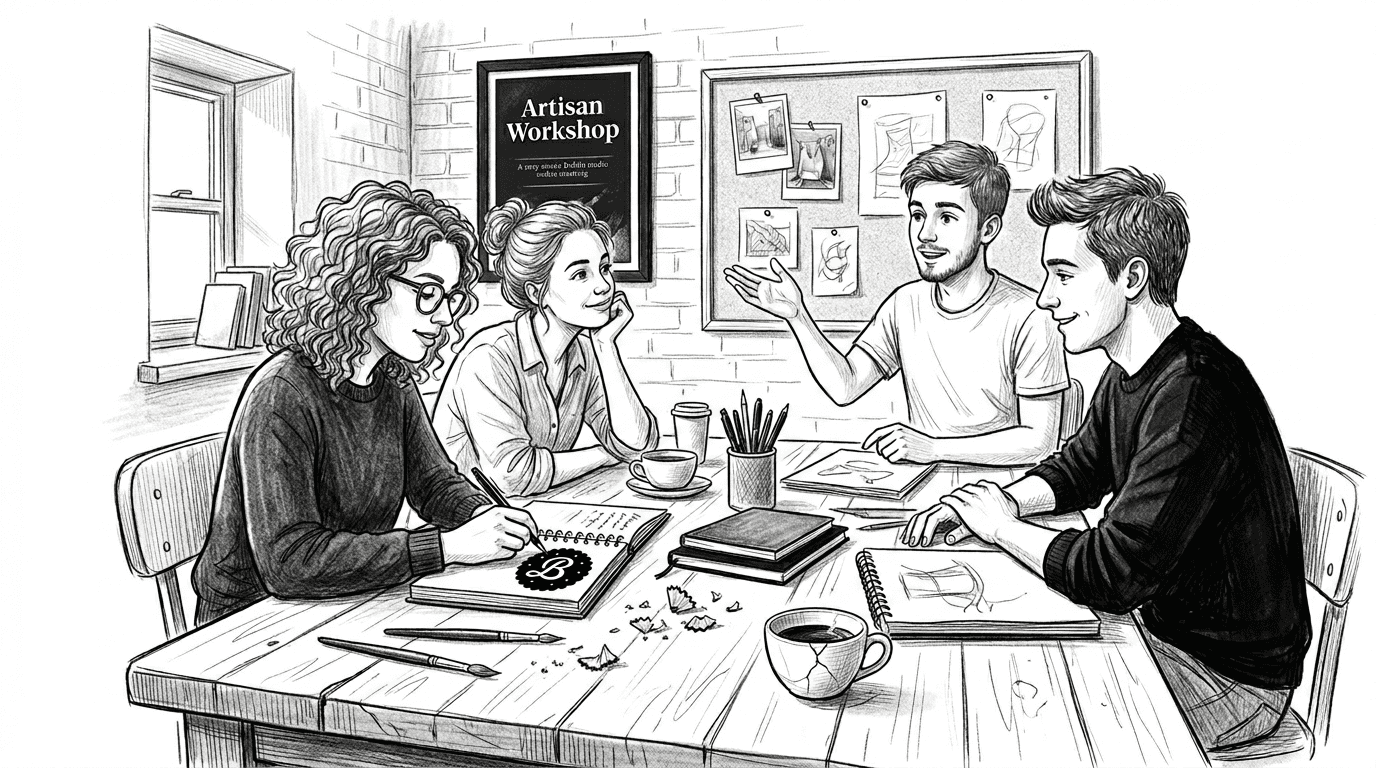
Business development accelerates dramatically within collective structures. Members share marketing costs for exhibitions, split booth fees at craft fairs, and collaborate on social media campaigns that reach larger audiences. Joint ventures create income streams unavailable to individual artists. A collective might secure a commercial commission too large for one person, then divide the work and payment amongst members based on their specialities. This approach builds financial sustainability whilst maintaining creative integrity.
The economic impact extends beyond individual members. Irish artist communities have driven 4x funding growth in 2026, demonstrating how collective organisation attracts grants and sponsorships. Funding bodies prefer supporting organised groups with clear goals over scattered individual applications. Collectives also sustain local cultural spaces by guaranteeing consistent use and community engagement, making them attractive partners for councils and property owners.
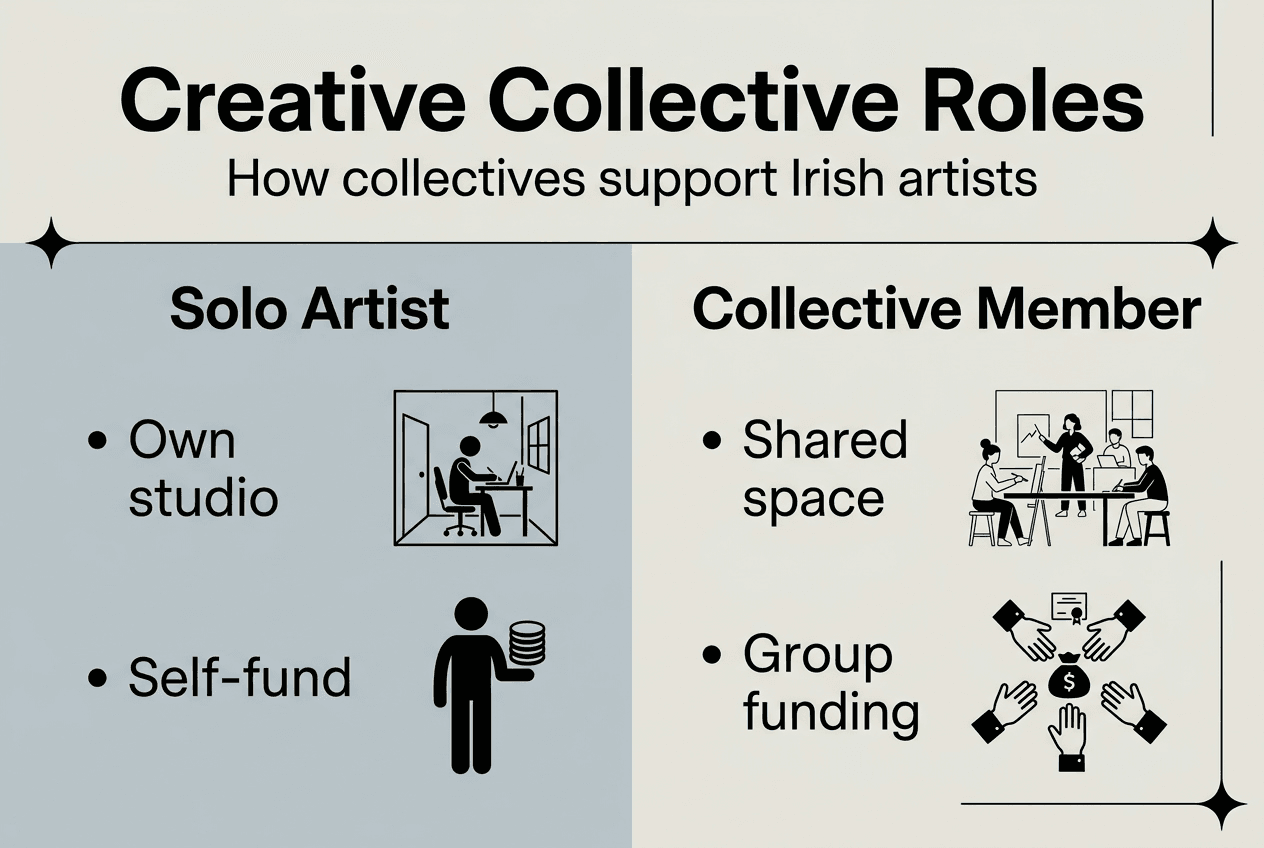
| Aspect | Solo Artist | Collective Member |
|---|---|---|
| Creative output | Baseline | 22% higher |
| Funding access | Individual grants only | Individual plus collective grants |
| Marketing reach | Personal network | Combined networks |
| Resource costs | Full price | Shared expenses |
| Skill development | Self taught | Peer learning |
Networking opportunities multiply within collectives because each member brings their own connections. When one artist meets a gallery owner, that relationship potentially benefits the entire group. Collaborative exhibitions introduce all members to each attendee's network. This exponential networking effect creates opportunities that would take years to develop independently.
Pro Tip: Maximise your collective's potential by establishing clear goals and defined roles at the outset. Document who handles marketing, finances, communications, and project coordination. Review these assignments quarterly to ensure workload remains balanced and members feel valued for their contributions.
Challenges and pitfalls to navigate in creative collectives
Decision making conflicts represent the most common challenge in creative collectives. Members often have strong opinions about artistic direction, project selection, and resource allocation. Without clear processes, discussions become circular and frustrating. Conflicts over decision making and workload imbalance can cause collectives to dissolve if not properly addressed through structured communication and agreed protocols.
Workload distribution creates tension when some members contribute significantly more time and effort than others. The passionate few end up carrying administrative burdens whilst less engaged members still enjoy collective benefits. This imbalance breeds resentment and burnout. Irish collectives must establish clear expectations about minimum participation levels and consequences for members who consistently underperform.
Balancing individual artistic freedom with collective goals presents a delicate challenge. Artists join collectives for support but fear losing their unique voice to group consensus. Balancing artistic freedom with collective goals requires ongoing negotiation about which decisions need unanimous agreement and which remain individual choices. Successful collectives protect members' autonomy whilst maintaining enough cohesion to function effectively.
Strategies for navigating these challenges include:
- Establish decision making processes before conflicts arise, whether voting, consensus, or delegated authority
- Create transparent systems for tracking contributions and ensuring equitable workload distribution
- Schedule regular collective meetings for reflection, adjustment, and addressing concerns early
- Define clear boundaries between collective projects and individual work
- Implement trial periods for new initiatives to test viability without long term commitment
Communication breakdowns amplify every other challenge. When members stop talking openly about frustrations, small issues become major conflicts. Structuring creative collaborations requires intentional communication practices like regular check ins, anonymous feedback options, and designated times for difficult conversations. Irish collectives benefit from understanding benefits of creative collaborations to maintain focus during challenging periods.
Pro Tip: Create written agreements outlining expectations, decision processes, and conflict resolution methods before launching collaborative projects. Include clauses about how members can leave the collective respectfully and what happens to shared resources or intellectual property. These documents protect relationships by providing clear frameworks when tensions arise.
The role of creative collectives in Ireland's arts infrastructure
Creative collectives function as critical actors in maintaining and creating arts spaces across Ireland. As individual artists lack the resources and influence to secure long term venues, collectives pool their strength to negotiate leases, renovate buildings, and establish permanent creative hubs. This collective approach provides stability in an otherwise precarious arts landscape where closure of vital art spaces threatens creative communities.
| Support Area | Independent Artist | Artist in Collective |
|---|---|---|
| Space security | Temporary rentals | Long term collective leases |
| Infrastructure investment | Personal funds only | Pooled resources |
| Advocacy voice | Individual appeals | Organised campaigns |
| Council engagement | Limited access | Regular dialogue |
| Funding applications | Solo applications | Group proposals |
Advocacy efforts gain substantial power through collective organisation. When individual artists complain about funding cuts or space closures, authorities can dismiss them as isolated voices. When a collective representing dozens of artists presents unified demands, councils must respond. Irish collectives have successfully lobbied for protected arts spaces, increased funding allocations, and policy changes that benefit the entire creative sector.
Collective presence magnifies artists' voices in policy discussions and funding decisions. Local authorities should actively protect and foster cultural spaces to support artist communities, but this protection requires organised pressure from collectives who demonstrate community value and economic impact. A collective can commission economic impact studies, gather petition signatures, and coordinate media campaigns that individual artists cannot manage alone.
Actions collectives take to protect and foster local arts infrastructure:
- Negotiate long term leases on buildings to create permanent creative spaces
- Organise public events that demonstrate cultural value to local communities
- Coordinate advocacy campaigns targeting council decisions about arts funding
- Develop partnerships with local businesses for sponsorship and mutual promotion
- Document economic contributions of arts activities to strengthen funding arguments
- Create accessible programming that builds public support for arts infrastructure
Joining creative networks connects Irish artists to these infrastructure efforts. Even artists who cannot commit to running a space benefit when collectives secure venues for exhibitions, workshops, and performances. The rising tide of collective action lifts all creative boats. Understanding Irish collaboration opportunities helps artists identify where they can contribute to and benefit from infrastructure development.
The infrastructure role extends beyond physical spaces to include digital platforms, shared equipment libraries, and collective insurance schemes. Irish collectives are building the support systems that government funding fails to provide. This grassroots infrastructure development ensures creative careers remain viable even as traditional arts institutions struggle with budget constraints.
Join a creative collective to grow your art career
Now that you understand how creative collectives transform individual practices and sustain Ireland's arts infrastructure, consider how joining or forming a collective could accelerate your creative career. The Biscuit Factory serves as Ireland's leading platform for artists, makers, and creative entrepreneurs seeking practical business support and collaborative opportunities. Our community provides the framework for meaningful connections that develop into lasting creative partnerships.
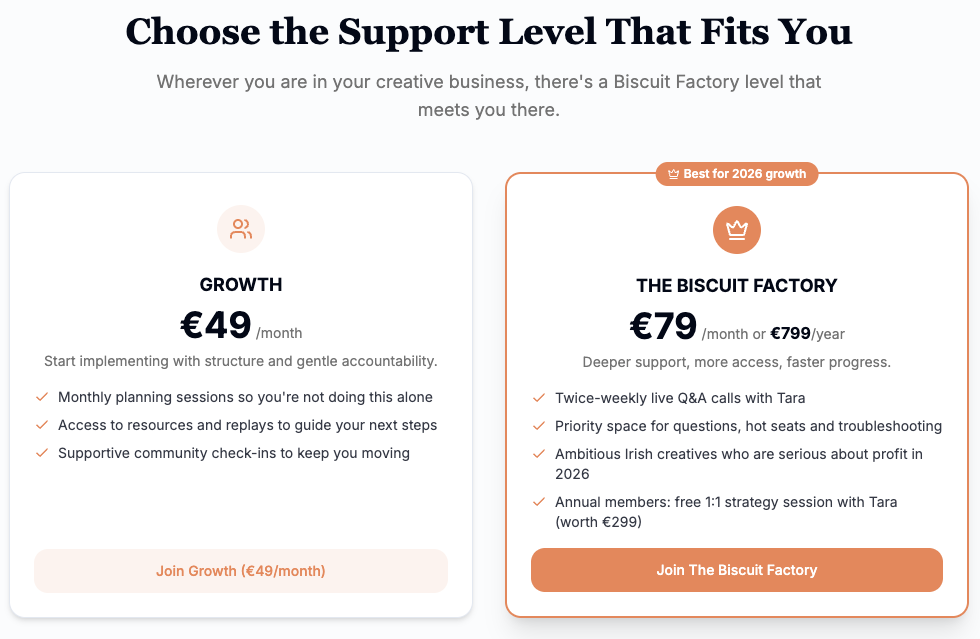
Members access live coaching, workshops, and troubleshooting support focused on pricing, sales strategies, and business planning. You'll connect with Irish creatives facing similar challenges and discover collaboration opportunities through our members directory. Whether you're ready to join an established collective or want to build your network before starting one, The Biscuit Factory provides the resources and community to support your next steps. Take action today by exploring membership options designed specifically for Irish creative entrepreneurs at various career stages.
Frequently asked questions
What exactly defines a creative collective?
A creative collective is an organised group of artists and makers who collaborate with shared goals, pooled resources, and mutual support structures. Unlike informal friendships, collectives have some level of organisation and commitment to advancing both individual and group objectives. They range from loose associations to formal organisations with constitutions and elected leadership.
How does joining a collective differ from networking?
Networking involves making connections and exchanging information without ongoing commitment or shared goals. Joining a collective means active participation in collaborative projects, contributing resources, and investing in other members' success. Collectives require sustained engagement and mutual accountability that casual networking does not demand.
What size and structure work best for creative collectives?
Successful collectives range from five to fifty members depending on purpose and resources. Smaller groups allow deeper relationships and easier decision making, whilst larger collectives offer more diverse skills and greater resource pools. Structure should match the collective's goals, from informal monthly meetings to formal organisations with committees and bylaws.
How do collectives manage internal conflicts effectively?
Effective collectives establish clear decision making processes and conflict resolution protocols before problems arise. Regular check ins allow members to voice concerns early. Written agreements outline expectations and consequences. When conflicts escalate, external mediation from a neutral party helps restore productive dynamics. Transparency and documented processes prevent most serious conflicts.
What distinguishes collectives from cooperatives?
Creative collectives focus on collaboration, resource sharing, and mutual support amongst independent artists who maintain separate practices. Cooperatives are formal business structures with shared ownership, democratic governance, and collective financial responsibility. Collectives offer flexibility and lower commitment, whilst cooperatives provide stronger legal structures and shared economic benefits.
How can I start or join a creative collective in Ireland?
Identify peers with compatible values and complementary skills through existing networks, social media, or platforms like The Biscuit Factory. Arrange informal meetings to discuss shared goals and assess compatibility. Start with small collaborative projects to test dynamics before committing to formal structures. Explore existing groups through creative community directories to find established collectives seeking new members.
What initial agreements help new collectives succeed?
Create simple written agreements covering decision making processes, workload expectations, financial contributions, intellectual property rights, and exit procedures. Document how often members meet, what constitutes active participation, and how conflicts get resolved. These agreements protect relationships by establishing clear expectations and providing frameworks for addressing challenges as they arise.
Recommended
- Types of creative businesses for Irish entrepreneurs in 2026
- Examples of collaboration opportunities for Irish creatives
- Creative business planning guide for Irish entrepreneurs
- What is creative entrepreneurship? 73% boost with business skills
- Digital Trends for Creators 2025: Staying Authentic Online