

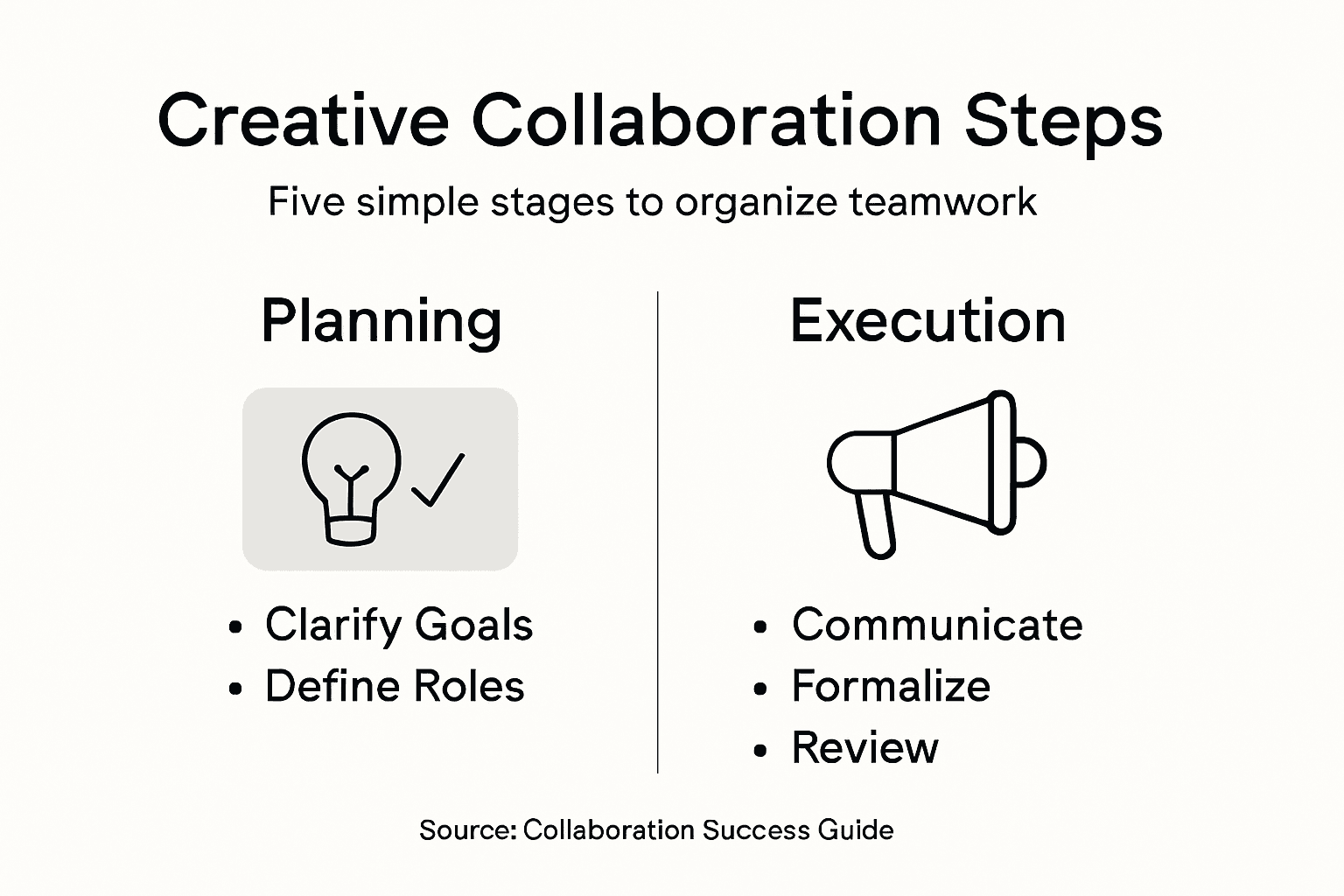
Every Irish artist knows how quickly great ideas can unravel when shared goals are unclear and expectations clash. Within creative partnerships, even small misunderstandings can snowball, risking time, money, and relationships. Setting out with clear shared objectives at the very start lays a solid foundation for smooth collaboration and lasting business success, giving your Irish projects the structure they need to thrive.
Table of Contents
- Step 1: Clarify shared objectives and expectations
- Step 2: Define roles, responsibilities and deliverables
- Step 3: Establish clear communication routines
- Step 4: Formalise agreements and accountability
- Step 5: Review progress and refine collaboration
Quick Summary
| Main Insight | Detailed Explanation |
|---|---|
| 1. Align on shared objectives | Establish common goals and motivations to prevent misunderstandings later in the collaboration. |
| 2. Clearly define roles | Assign specific tasks to individuals to avoid confusion and ensure accountability for contributions. |
| 3. Establish regular communication | Create consistent check-in routines to facilitate open dialogue and address issues promptly. |
| 4. Formalise agreements in writing | Document expectations and responsibilities to protect all parties and clarify terms of collaboration. |
| 5. Conduct regular reviews | Periodically evaluate progress and make adjustments to improve team dynamics and project outcomes. |
Step 1: Clarify shared objectives and expectations
When you bring creative collaborators together, the gap between what you think you're working towards and what they think can become a serious problem later. Spending time upfront to align everyone on shared objectives prevents misunderstandings, frustration, and wasted effort down the line.
Start by having an honest conversation about why this collaboration matters. What problem are you solving together? What outcomes do you each hope to achieve? You might discover that one person sees the project as a portfolio builder whilst another views it primarily as income generation. Neither is wrong, but these differences need surfacing early.
Here's what to cover in your alignment conversation:
- The core goal: What is the actual deliverable or outcome? A finished product, exhibition, joint venture, or something else?
- Individual motivations: Why does each person want to collaborate? Be specific about what success looks like for them.
- Complementary strengths: How do your skills, experience, and resources combine to make this possible?
- Timeline and milestones: When do things need to happen? What are the key checkpoints?
- Resource commitment: How much time, money, or materials is each person contributing?
Research shows that successful collaborations depend on clear shared objectives to navigate potential challenges like coordination costs and conflicting expectations. Think of this as setting the compass before you start the journey.
Clear objectives aren't static—they evolve as the project develops, but everyone needs to agree on the starting point.
Don't leave these conversations vague. Write them down. A simple shared document listing the core objectives, each person's role, and key dates keeps everyone accountable. This becomes your reference point when questions arise later.
Professional tip: Schedule a follow-up conversation after two weeks to revisit your shared objectives and check whether assumptions have shifted, ensuring alignment hasn't drifted before you invest significant effort.
Step 2: Define roles, responsibilities and deliverables
Once you've agreed on what you're building together, the next critical step is spelling out who does what. Vague role definitions are collaboration killers. When someone assumes you're handling the finances and you've assumed they are, projects stall and relationships strain.
Start by listing every task the collaboration requires. This might include creative development, project management, client communication, accounting, or quality control. Then assign each task to a specific person based on their strengths and availability. The goal is ensuring nobody's responsible for everything and nothing falls through the cracks.
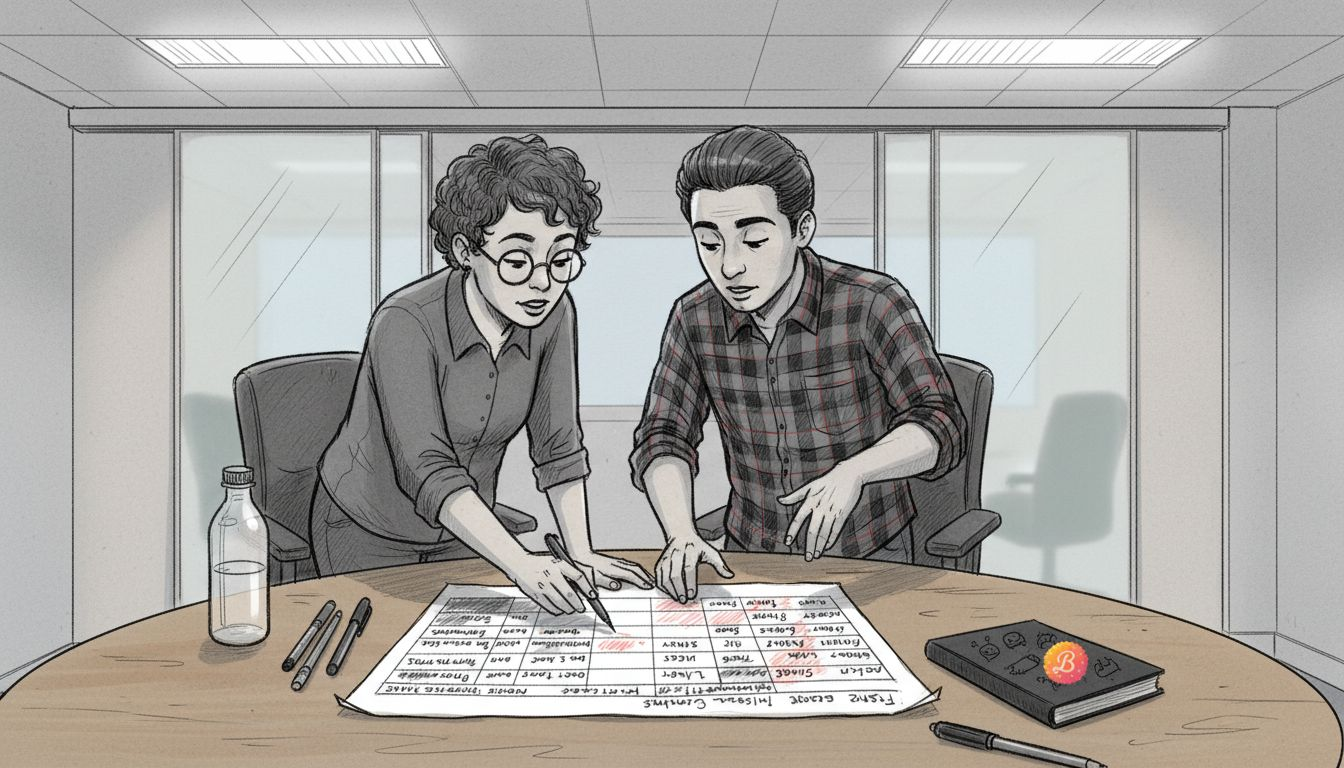
Clear roles and responsibilities frameworks help collaborators understand exactly what they're accountable for, from day one through project completion. Think of it as creating a map where everyone knows their territory.
Here's what needs defining for each role:
- Primary responsibilities: What tasks does this person own completely?
- Decision-making authority: Who decides if something changes or goes wrong?
- Deliverables: What specific outputs is each person producing? Be concrete.
- Deadlines: When must each piece be completed?
- Quality standards: What does "finished" look like for their contribution?
- Communication touchpoints: How often do they report back to the group?
Don't assume roles stay static. As projects evolve, responsibilities shift. Build in regular check-ins to confirm everyone's still aligned on who's doing what. Document this in writing, even if it's informal.
Collaborators work best as equals when each person takes full responsibility for their contribution and understands exactly what that contribution entails.
One practical approach: create a simple responsibility matrix. List every deliverable down the left side, then across the top list each collaborator's name. Mark who's responsible, who's supporting, and who needs to approve. This visual clarity prevents confusion later.
Professional tip: Share your deliverables breakdown with collaborators at least one week before work begins so they can raise concerns or clarifications about expectations before deadlines loom.
Step 3: Establish clear communication routines
Communication isn't something you sort out once and forget about. It's the glue holding collaborations together, especially when people are juggling multiple projects or working across different locations. Without regular, structured communication, misunderstandings multiply and small issues become big problems.
Start by deciding how often you'll connect. This might be a weekly video call, a fortnightly check-in, or daily messages in a shared channel depending on your project's pace. The key is consistency. People need to know when to expect updates and when they can expect feedback on their work.
Transparent and frequent communication routines address everything from day-to-day logistics to conflict resolution, helping teams stay aligned throughout every project stage. Think of communication as your collaboration's nervous system, constantly sending signals to keep everyone informed.
Set up these communication structures from the start:
- Regular meetings: Weekly or fortnightly calls at a set time everyone can reliably attend
- Asynchronous updates: A shared document or message thread where people post progress without waiting for a meeting
- Problem reporting: A clear way to flag issues before they snowball into crises
- Feedback loops: How and when collaborators give each other constructive input
- Documentation: Where are decisions, agreements, and changes recorded?
Choose tools that actually fit your team's workflow. If half your collaborators hate video calls, forcing them won't work. The best communication system is one people actually use.
Transparency in communication builds trust, reduces misunderstandings, and allows teams to respond quickly when challenges arise.
Be intentional about what gets discussed where. Some conversations belong in scheduled meetings, whilst quick questions might work better in a chat. This prevents important decisions from getting buried in message threads.
Professional tip: Create a simple agenda template for every meeting and share it 24 hours beforehand so collaborators can prepare and contribute meaningfully rather than discovering surprises in real time.
Step 4: Formalise agreements and accountability
At this point, you've talked through everything. You've aligned on goals, assigned roles, and set up communication. Now comes the part many creative collaborators skip, and it's precisely where things fall apart later. You need to put it in writing.
A formal agreement doesn't have to be intimidating legal jargon. It's simply a document that captures what you've all agreed to, so there's no confusion or misremembering later. Think of it as your collaboration's insurance policy.
Collaboration agreements delineate management, responsibilities, intellectual property, publication, and dispute resolution, establishing clear expectations that protect everyone involved. This is especially critical when money, creative ownership, or reputation is at stake.
Your agreement should cover these essentials:
- Project scope and objectives: What exactly are you creating together?
- Individual contributions and timelines: Who delivers what by when?
- Intellectual property ownership: Who owns the final work? Credit terms?
- Financial arrangements: How are costs split? When do payments happen?
- Confidentiality: What information stays private?
- Exit clauses: What happens if someone needs to leave early?
- Dispute resolution: How will you handle disagreements?
For Irish creative collaborations, you might work with a solicitor or use template agreements tailored to your sector. The Biscuit Factory community can also guide you on what's common practice in the Irish creative space.
A written agreement transforms assumptions into certainties, protecting both the collaboration and everyone's confidence in it.
Share the draft with all collaborators well before you start working. Give everyone time to read it, ask questions, and request changes. This is your moment to address concerns, not halfway through the project.
Professional tip: Keep your agreement accessible and reference it during your regular check-ins so it stays a living document that guides decisions rather than gathering dust in a folder.
Step 5: Review progress and refine collaboration
You're now several weeks or months into your collaboration. The initial excitement has settled and you're seeing how things actually work in practice. This is the perfect moment to pause and honestly assess what's working and what isn't.
Regular review sessions aren't about criticism. They're about identifying patterns, celebrating wins, and making small adjustments before small problems become big ones. Many collaborations stumble not because the concept was flawed, but because nobody took time to reflect and adapt.
Regular evaluation and reflection help refine collaborative approaches and improve creative outcomes. Think of these reviews as maintenance work that keeps your collaboration running smoothly rather than waiting until something breaks.
Schedule a formal review every 4 to 8 weeks, depending on your project's intensity. During these sessions, discuss:
- What's working well: Which processes, communication methods, or decisions are paying off?
- Where are the friction points: Where do things feel clunky or slow?
- Are we on track: Is the project progressing as planned? Are timelines realistic?
- Individual satisfaction: How is each person feeling about their contribution and the collaboration itself?
- Resource needs: Do we need different tools, skills, or support to move forward?
Be specific. Vague feedback like "things are going okay" doesn't lead to improvements. Instead, say "our fortnightly calls are helpful, but we're losing decisions in email threads between meetings."
Measuring progress against your original objectives reveals what's genuinely working, enabling evidence-based refinements that strengthen your collaboration.
Once you've identified issues, decide on concrete changes. Maybe you switch communication platforms, adjust meeting frequency, or redistribute tasks. Document these decisions so everyone's clear on what's changing and why.
Professional tip: Ask each collaborator to submit their thoughts on progress before the review meeting so you capture honest feedback rather than groupthink dominating the conversation.
The following table highlights typical collaboration challenges and how structured practices address them:
| Common Challenge | Structured Approach | Positive Outcome |
|---|---|---|
| Ambiguous expectations | Written objectives | Shared understanding |
| Role confusion | Responsibility matrix | Clear accountability |
| Poor communication | Regular meetings/channels | Faster problem resolution |
| Unclear ownership | Formal agreement | Protected rights and contributions |
| Missed improvements | Scheduled reviews | Ongoing project enhancement |
To clarify how each collaboration stage advances the partnership, see this process overview:
| Collaboration Stage | Main Focus | Risks if Skipped |
|---|---|---|
| Clarify objectives | Align on shared goals | Misunderstandings or conflicts |
| Define roles | Assign responsibilities clearly | Overlaps or missed tasks |
| Establish communication routines | Set regular updates and feedback | Unresolved issues or confusion |
| Formalise agreements | Document commitments and terms | Disputes or lost accountability |
| Review and refine | Adapt and improve processes | Repeated mistakes or stagnation |
Unlock Successful Creative Collaborations with Expert Support
Struggling to align goals or clarify roles in your creative collaborations can lead to frustration and stalled projects. This article highlights key challenges such as ambiguous expectations and communication breakdowns that often trip up creative teams. At The Biscuit Factory we understand how vital it is to have clear objectives, defined responsibilities and structured communication to keep your partnership strong and productive.

Join our online community designed specifically for Irish artists and makers who want to build profitable and sustainable businesses through better collaborations. Our live coaching, practical workshops and tailored resources help you set clear goals, structure your teamwork effectively and maintain ongoing accountability. Don’t let miscommunication or unclear commitments hold your creative projects back. Visit The Biscuit Factory now and start turning your shared vision into reality with trusted expert guidance and peer support.
Frequently Asked Questions
How can I clarify shared objectives in a creative collaboration?
Start by initiating an open discussion with all collaborators about the project's purpose and desired outcomes. Document these objectives to ensure everyone is on the same page and revisit them regularly to maintain alignment.
What should be included when defining roles and responsibilities?
Clearly outline each person’s primary tasks, decision-making authority, specific deliverables, and deadlines. Distribute this information in a shared document to prevent overlaps and ensure accountability.
How often should we communicate during a creative collaboration?
Establish a consistent communication routine, such as weekly meetings or bi-weekly check-ins, to keep everyone informed and engaged. This frequency helps address issues promptly and ensures that all collaborators stay aligned on project progress.
Why is it important to formalise agreements in creative collaborations?
Formal agreements clarify expectations, ownership, and responsibilities among collaborators, preventing misunderstandings later on. Always document key terms, deadlines, and contributions to serve as a mutual reference.
How can we effectively review progress during a collaboration?
Schedule regular review sessions, ideally every four to eight weeks, to assess what’s working and what needs improvement. Use these sessions to discuss individual satisfaction and adjust roles or processes based on feedback and project needs.
Recommended
- The Biscuit Factory | Ireland's Independent Creative Community | The Biscuit Factory
- The Biscuit Factory - Ireland's Independent Creative Community | Irish Artists & Makers
- The Biscuit Factory - Ireland's Independent Creative Community | Irish Artists & Makers
- Teambuilding – Kā uzlabot sadarbību ar izpletņu lēcieniem – Skydive Latvia