
Networking often feels like a numbers game where Irish creatives collect contacts but struggle to build meaningful business relationships. Many artists and makers approach networking as a transactional activity, exchanging business cards without creating lasting partnerships. This guide reveals how collaborative networking transforms these superficial connections into powerful alliances that drive business growth and community support. You'll discover practical processes for identifying complementary partners, building trust through transparency, and maintaining equitable collaborations that benefit everyone involved.
Key takeaways
| Point | Details |
|---|---|
| Complementary skills matter | Strategic collaborations are built on complementary capabilities, not identical partners |
| Trust builds gradually | Successful partnerships develop through transparency, communication, and consistent value delivery |
| Quality over quantity | Networks with strategic engagement and shared contributions outperform large, passive networks |
| Structure enables success | Clear processes for problem-solving and decision-making sustain long-term collaborative relationships |
Identify your collaboration needs and prepare your network
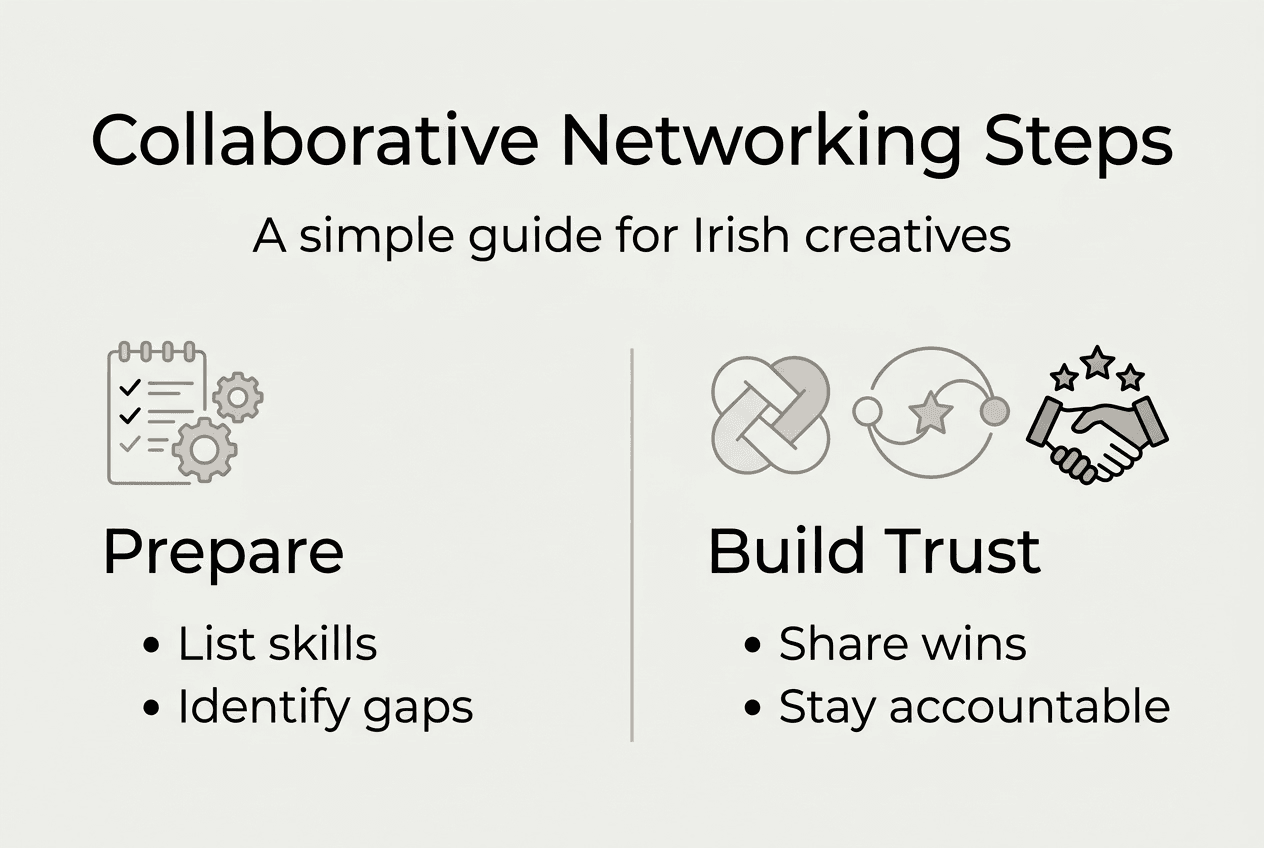
Before reaching out to potential collaborators, you need clarity about what you bring to partnerships and what gaps exist in your creative business. Start by listing your core skills, resources, and strengths. Are you brilliant at product design but struggle with marketing? Do you excel at social media but need help with pricing strategy? This honest assessment reveals where collaboration opportunities for Irish creatives can fill critical gaps.
Many creatives make the mistake of seeking partners who mirror their own skills and interests. This approach creates redundancy rather than synergy. Strategic collaborations are built on complementary capabilities, not identical partners. If you're a ceramic artist with strong production skills, look for someone with retail connections or digital marketing expertise. The goal is finding people whose strengths compensate for your weaknesses, creating a partnership where both parties gain capabilities they lack individually.
Preparing your value proposition is equally important. What specific benefits can you offer potential collaborators? Consider these elements:
- Unique skills or expertise that solve problems for others
- Access to networks, venues, or distribution channels
- Resources like equipment, studio space, or materials
- Time and willingness to contribute actively to shared goals
Your value proposition should be concrete and actionable. Instead of saying "I'm good at networking," specify "I have relationships with three gallery owners in Dublin who regularly feature emerging artists." This specificity helps potential partners immediately understand how collaboration benefits them.
Pro Tip: Create a simple one-page document outlining your skills, resources, gaps, and ideal collaborator profile. This clarity accelerates meaningful conversations and helps you quickly assess whether new contacts align with your collaboration needs.
The collaborative networking mindset differs fundamentally from traditional networking approaches. Rather than asking "What can this person do for me?" shift to "How might we create value together?" This reframing transforms networking from extraction to co-creation. When you meet new creatives, listen for their challenges and goals. Where do your capabilities intersect with their needs? Where might their strengths complement yours? These intersections are where powerful collaborations emerge.
Engage and build trust through transparent, value-driven relationships
Building trust takes time and consistent demonstration of reliability and value. You can't rush into collaboration proposals with strangers and expect positive responses. Instead, begin by offering small, no-strings-attached contributions that showcase your commitment to mutual benefit. Share a useful resource, make an introduction, or provide feedback on someone's work. These gestures signal that you understand how to network as a creative through genuine relationship building.

Trust is the cornerstone of successful collaborative networking, built through transparency, communication, and accountability. When you're ready to propose collaboration, be explicit about your goals, expectations, and what you're willing to contribute. Vague proposals like "Let's work together sometime" rarely lead anywhere. Instead, suggest specific projects with clear timelines, roles, and outcomes. This transparency eliminates confusion and establishes professional standards from the start.
Transparent communication requires ongoing dialogue about progress, challenges, and adjustments. Establish regular check-ins where all collaborators can voice concerns, celebrate wins, and recalibrate plans. These conversations prevent small misunderstandings from becoming major conflicts. When issues arise, address them immediately rather than letting resentment build. Direct, respectful communication maintains trust even when disagreements occur.
Demonstrating value before requesting collaboration creates reciprocity. Consider these approaches:
- Promote another creative's work on your social channels without asking for anything in return
- Invite potential collaborators to events or opportunities that benefit them
- Share industry insights, market research, or business resources freely
- Offer your expertise through informal consultations or feedback sessions
These contributions establish you as someone who adds value to your network rather than simply extracting it. When you eventually propose collaboration, people remember your generosity and respond more positively.
Pro Tip: Keep a simple spreadsheet tracking your interactions with potential collaborators. Note what you've offered, what they've shared, and potential collaboration ideas. This record helps you maintain consistent engagement and identify the right moment to propose partnerships.
The collaborative mindset requires patience and genuine interest in others' success. When you celebrate other creatives' wins, support their launches, and champion their work, you build a reputation as a connector and community builder. This reputation attracts like-minded collaborators who share your values and approach. People want to work with those who demonstrate consistent support and enthusiasm for collective success rather than individual advancement alone.
Implement collaboration using structured processes and maintain strong connections
Once you've identified collaborators and built trust, implementing effective collaboration requires clear processes and structures. Research shows that optimal network structure for problem-solving depends on balance between copying and collaboration, with highly connected networks excelling when collaboration is emphasised. This finding suggests that Irish creatives should prioritise collaborative approaches over simply replicating what others do.
The 'collaborate first, copy later' approach means working together to develop innovative solutions before standardising successful practices. When facing a challenge like pricing handmade products or breaking into new markets, gather your collaborators for brainstorming sessions where everyone contributes ideas. This collective intelligence often produces better solutions than any individual could generate alone. After testing and refining these collaborative innovations, you can then document and replicate successful approaches across your network.
Structured methods for collaboration prevent chaos and ensure equitable participation. Follow these steps for effective collaborative projects:
- Define clear objectives and success metrics that all parties agree upon
- Assign specific roles and responsibilities based on each person's strengths
- Establish timelines with milestones and accountability checkpoints
- Create communication protocols specifying how often and through which channels you'll connect
- Document decisions and agreements to prevent misunderstandings
- Build in regular review points to assess progress and adjust plans
These structures provide clarity without stifling creativity. Everyone knows what's expected, when deliverables are due, and how to raise concerns. This clarity reduces anxiety and conflict whilst maintaining flexibility for creative exploration.
Conflict management guidelines are essential for long-term collaboration success. Establish these principles early:
| Challenge | Solution |
|---|---|
| Unequal contribution | Track time and resource inputs; address imbalances immediately through honest conversation |
| Decision deadlocks | Agree upfront on decision-making processes, whether consensus, majority vote, or rotating leadership |
| Power imbalances | Use facilitation techniques ensuring everyone's voice is heard; rotate leadership roles regularly |
| Scope creep | Reference original objectives; any scope changes require explicit agreement from all parties |
Maintaining strong collaborative relationships requires consistent effort beyond project work. Schedule regular informal check-ins where you discuss broader goals, challenges, and opportunities rather than just immediate tasks. These conversations deepen relationships and often spark new collaboration ideas. Share resources, celebrate each other's successes, and provide support during difficult periods. This ongoing investment transforms project-based collaborations into lasting professional relationships.
Pro Tip: Create a shared digital workspace using free tools like Google Drive, Trello, or Notion where all collaborators can access documents, track progress, and communicate asynchronously. This centralised hub reduces confusion and keeps everyone aligned.
Accountability practices keep collaborations on track. Simple weekly updates where each person shares what they accomplished, what they're working on next, and any obstacles they're facing maintain momentum and visibility. When everyone knows others are counting on them, commitment levels rise. This mutual accountability creates positive peer pressure that drives projects forward.
Leverage collaborative networking events and tools for growth and community support
Collaborative networking events provide structured opportunities to meet potential partners and practise collaborative approaches in real time. Unlike traditional networking events focused on individual promotion, collaborative networking events provide vital space for artists and creatives to connect, using Open Space Technology for co-creation. These facilitated gatherings emphasise collective problem-solving and shared learning rather than transactional exchanges.
Open Space Technology is a meeting format where participants create the agenda based on their interests and expertise. Rather than sitting through predetermined presentations, attendees propose discussion topics, form breakout groups, and engage in deep conversations about challenges and opportunities. This approach ensures everyone contributes meaningfully and connects with people who share their specific interests. For Irish creatives, these events offer chances to discuss pricing strategies, marketing approaches, or business planning with peers facing similar challenges.
The differences between traditional and collaborative networking events are significant:
| Traditional Networking | Collaborative Networking |
|---|---|
| Focus on individual promotion and sales pitches | Emphasis on shared learning and collective problem-solving |
| Passive listening to presentations | Active participation in discussions and workshops |
| Superficial conversations with many people | Deep engagement with fewer, aligned individuals |
| Competition and comparison | Cooperation and mutual support |
| Short-term contact collection | Long-term relationship building |
When attending collaborative events, maximise value by preparing discussion topics or questions in advance. What challenges are you currently facing that others might help solve? What expertise can you share that benefits fellow attendees? This preparation ensures you contribute meaningfully rather than just consuming information.
Tools and platforms that facilitate collaborative networking extend beyond in-person events. Consider these approaches:
- Join online communities focused on specific creative disciplines or business challenges
- Participate in virtual co-working sessions where creatives work alongside each other remotely
- Use project management tools that enable transparent collaboration and progress tracking
- Engage in peer mentoring circles where small groups meet regularly to support each other's growth
The benefits of joining creative networks multiply when you actively participate rather than passively observe. Comment on others' posts, share your experiences honestly, and volunteer for community initiatives. This visibility attracts collaborators who appreciate your engagement style and values.
Pro Tip: After attending collaborative events, follow up within 48 hours with specific next steps. Instead of generic "Nice to meet you" messages, reference particular conversation points and propose concrete ways to continue the collaboration discussion.
Successful networking strategies for artists combine multiple approaches rather than relying on a single method. Attend both in-person and virtual events, engage in online communities, and maintain one-to-one relationships. This diversified approach builds a robust network with multiple connection points and collaboration opportunities. Some partnerships emerge from chance encounters at events, whilst others develop through sustained online interaction. By participating across channels, you increase the likelihood of finding ideal collaborators who align with your goals and values.
Explore membership and collaboration opportunities at the Biscuit Factory
You've learned how collaborative networking transforms creative businesses through strategic partnerships and community support. Now it's time to put these principles into practice within a dedicated community built specifically for Irish creatives like you. The Biscuit Factory offers a vibrant space where artists, makers, and creative entrepreneurs connect, collaborate, and grow their businesses together.
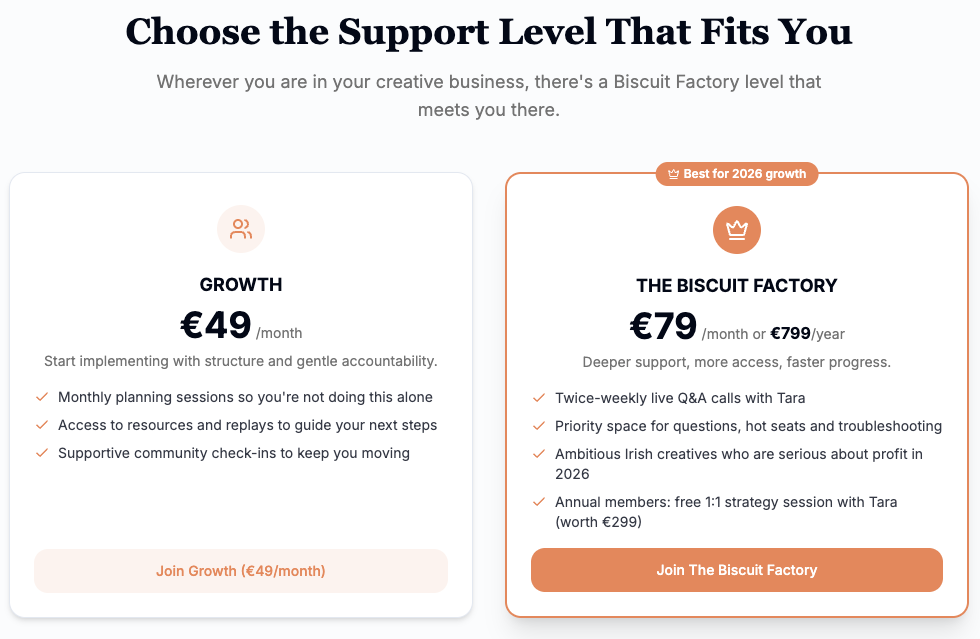
Our members directory showcases hundreds of Irish creatives across diverse disciplines, making it easy to find collaborators whose skills complement yours. Whether you need a photographer for your product launches, a copywriter for your website, or a business mentor to guide your growth, you'll find aligned partners within our community. Membership provides access to live coaching sessions, workshops on pricing and sales strategies, and peer support groups where you can implement the collaborative networking processes outlined in this guide. Join The Biscuit Factory today and start building the partnerships that will elevate your creative business in 2026.
What is a collaborative networking process?
What defines collaborative networking for creative entrepreneurs?
Collaborative networking is an intentional process of building mutually beneficial relationships with shared goals and complementary capabilities. Unlike transactional networking focused on immediate gains, collaborative approaches emphasise long-term partnership development through transparency, trust, and consistent value exchange. This process involves identifying your collaboration needs, engaging authentically with potential partners, and maintaining relationships through structured communication and accountability practices.
How can Irish creatives find suitable collaborators?
Start by assessing your own strengths and identifying gaps where complementary skills would enhance your business. Attend specialised events like those using Open Space Technology, where deep conversations reveal alignment in values and goals. Explore creative networks and membership communities focused on your discipline or business stage. Look for individuals whose capabilities fill your gaps rather than mirror your existing skills, as these partnerships create synergy rather than redundancy.
What are common challenges in collaborative networking and how to overcome them?
Managing conflicts, equitable participation, and power imbalances is critical to success in collaborative networking. Address these challenges by establishing clear guidelines for decision-making and contribution tracking before starting projects. Maintain transparent communication about expectations, progress, and concerns throughout the collaboration. Use facilitation tools that ensure everyone's voice is heard equally, and address issues immediately rather than letting resentment build over time.
How does collaborative networking benefit creative entrepreneurs?
Collaborative networking can increase business opportunities by 30 to 40 per cent and community engagement by 20 to 30 per cent for creative professionals. These partnerships enhance innovation by combining diverse perspectives and skills, accelerate business growth through shared resources and networks, and build resilience through mutual support during challenges. Collaborative approaches also provide access to expertise, markets, and opportunities that would be difficult to reach individually, whilst fostering a sense of belonging within the creative community.