
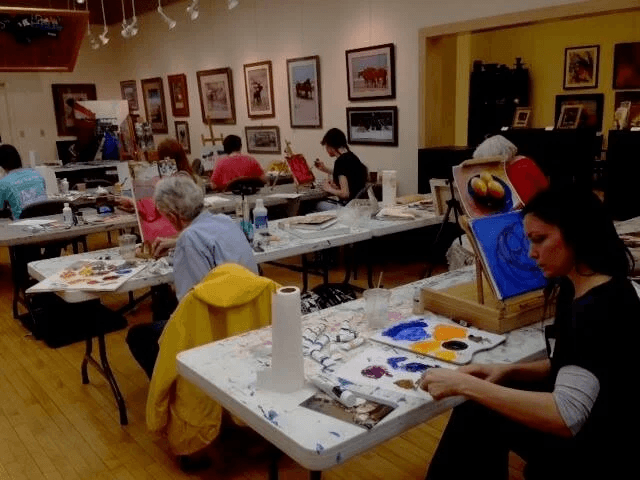
For many emerging Irish artists, navigating the leap from creative passion to a sustainable career often feels like a solitary journey. The truth is, the myth of the lone artist is outdated, as workshops create collaborative learning environments that empower participants through shared practice and social knowledge building. If pricing your work or finding a supportive creative community seem daunting, discover how the right workshops can open new pathways for professional growth, hands-on skill-building, and deeper peer connections.
Table of Contents
-
Defining Workshops and Artist Growth
Workshops represent far more than traditional learning environments for artists. These collaborative spaces transform individual creative practice by enabling collective artistic learning through shared experiences and interactive knowledge exchange. Unlike isolated studio work, workshops challenge the traditional myth of the solitary artist and introduce dynamic, participatory approaches to skill development.
The core characteristics of artistic workshops include:
-
Creating collaborative learning environments
-
Breaking down individual creative barriers
-
Facilitating direct skill transfer between practitioners
-
Generating collective knowledge through shared experiences
-
Providing structured yet flexible learning opportunities
Artistic workshops fundamentally differ from traditional training methods by emphasizing social interaction and co-creation. They move beyond passive instruction, encouraging artists to actively engage, experiment, and learn from peers and facilitators simultaneously. This approach recognizes that artistic growth happens through dialogue, practice, and collective problem-solving rather than through one-way knowledge transmission.
Workshops reverse the myth of the lone artist by producing work collectively and emphasizing social knowledge gains through collaborative practices.
Moreover, these collaborative environments serve multiple developmental purposes. They help artists expand technical skills, build professional networks, understand diverse perspectives, and gain confidence through supportive group interactions. By creating spaces where vulnerability and creativity coexist, workshops become transformative platforms for personal and professional artistic evolution.
Here’s a summary of how artistic workshops accelerate both creative and professional growth:
| Growth Area | Workshop Impact | Long-Term Benefit |
| Technical Skills | Direct hands-on learning | Increased artistic proficiency |
| Network Building | Collaborative peer interactions | Expanded professional connections |
| Confidence | Supportive group feedback | Greater risk-taking in art |
| Diverse Perspectives | Exposure to different approaches | Enhanced creative innovation |
| Career Development | Structured skill transfer | Sustainable creative careers |
Pro tip: Approach workshops with an open mindset, prioritizing learning and connection over perfection, and be prepared to share and receive constructive feedback from fellow artists.
Types of Workshops for Creative Development
Workshops for creative development encompass a diverse range of formats designed to stimulate artistic growth and innovation. Creative workshops blend art, technology, and hands-on learning to support skill acquisition and professional development across multiple disciplines. These structured learning experiences go far beyond traditional training methods, offering artists dynamic pathways for personal and professional advancement.
The primary types of creative workshops include:
-
Technical Skills Workshops: Focused on specific artistic techniques and tools
-
Digital Art Workshops: Integrating technology with creative practice
-
Collaborative Innovation Workshops: Emphasizing group ideation and problem-solving
-
Interdisciplinary Creative Sessions: Combining multiple artistic and professional domains
-
Professional Development Workshops: Targeting career growth and networking
Experiential learning is a cornerstone of effective creative workshops. Interactive workshop models facilitate engagement by encouraging participants to actively prototype, experiment, and co-create rather than passively receive information. These dynamic environments support skill transfer through direct participation, peer interaction, and guided exploration.
Creative workshops foster innovation, teamwork, and skill-building through immersive, hands-on experiences that challenge traditional learning approaches.
The strategic design of these workshops addresses both individual artistic growth and broader professional development needs. By creating supportive environments that balance structured learning with creative freedom, workshops help artists expand technical capabilities, build confidence, and develop crucial collaborative skills necessary for contemporary creative industries.
See how various creative workshop types differ in their value to artists:
| Workshop Type | Key Focus | Ideal For |
| Technical Skills | Mastering techniques | Artists seeking skill refinement |
| Digital Art | Tech integration | Those exploring digital mediums |
| Innovation & Collaboration | Group ideation | Artists wanting teamwork |
| Interdisciplinary | Cross-domain expertise | Multidisciplinary creators |
| Professional Development | Business strategies | Artists growing careers |
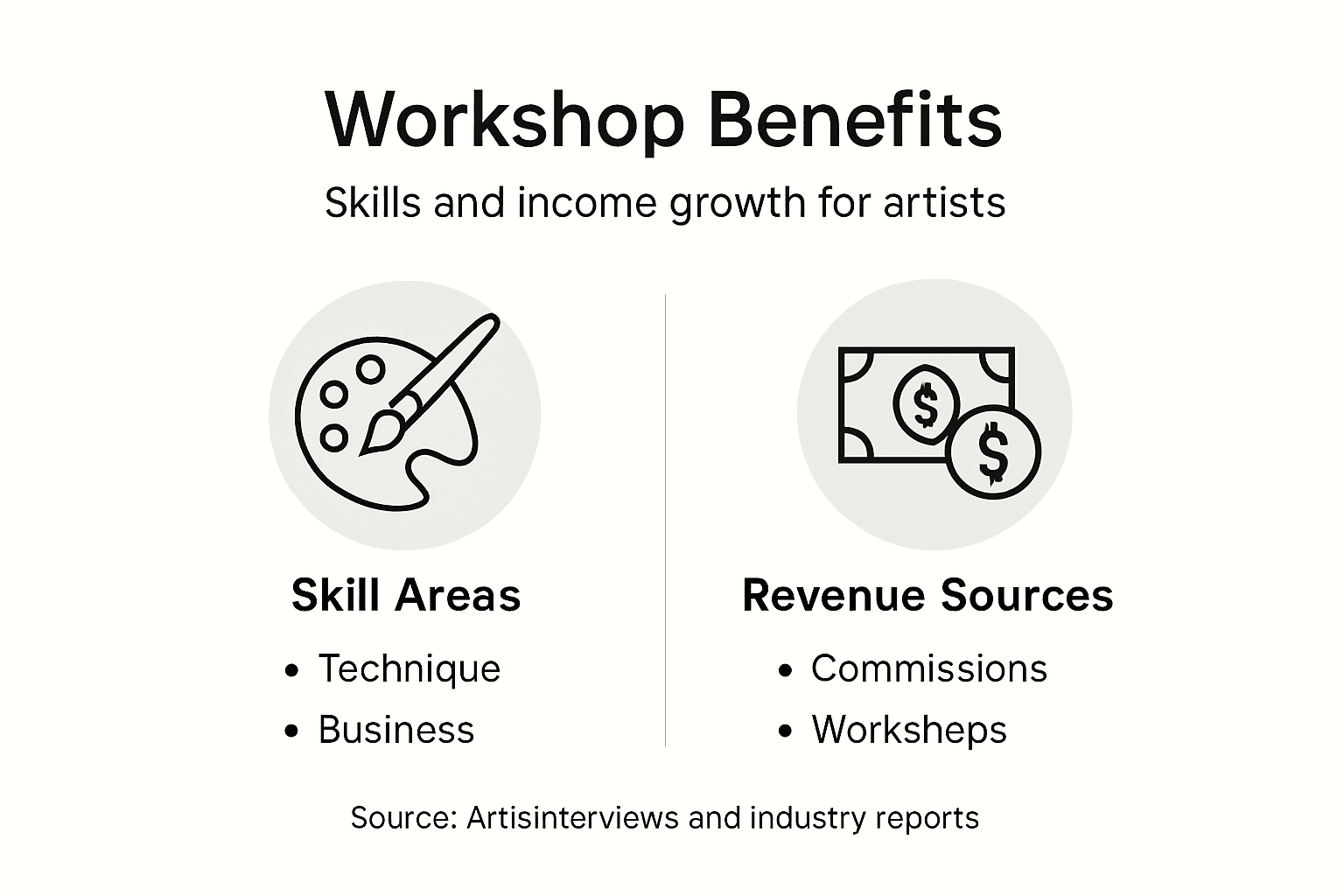
Pro tip: Select workshops that challenge your current skill level and push you outside your comfort zone, prioritizing learning experiences that offer both structured guidance and creative autonomy.
How Workshops Enhance Business Skills
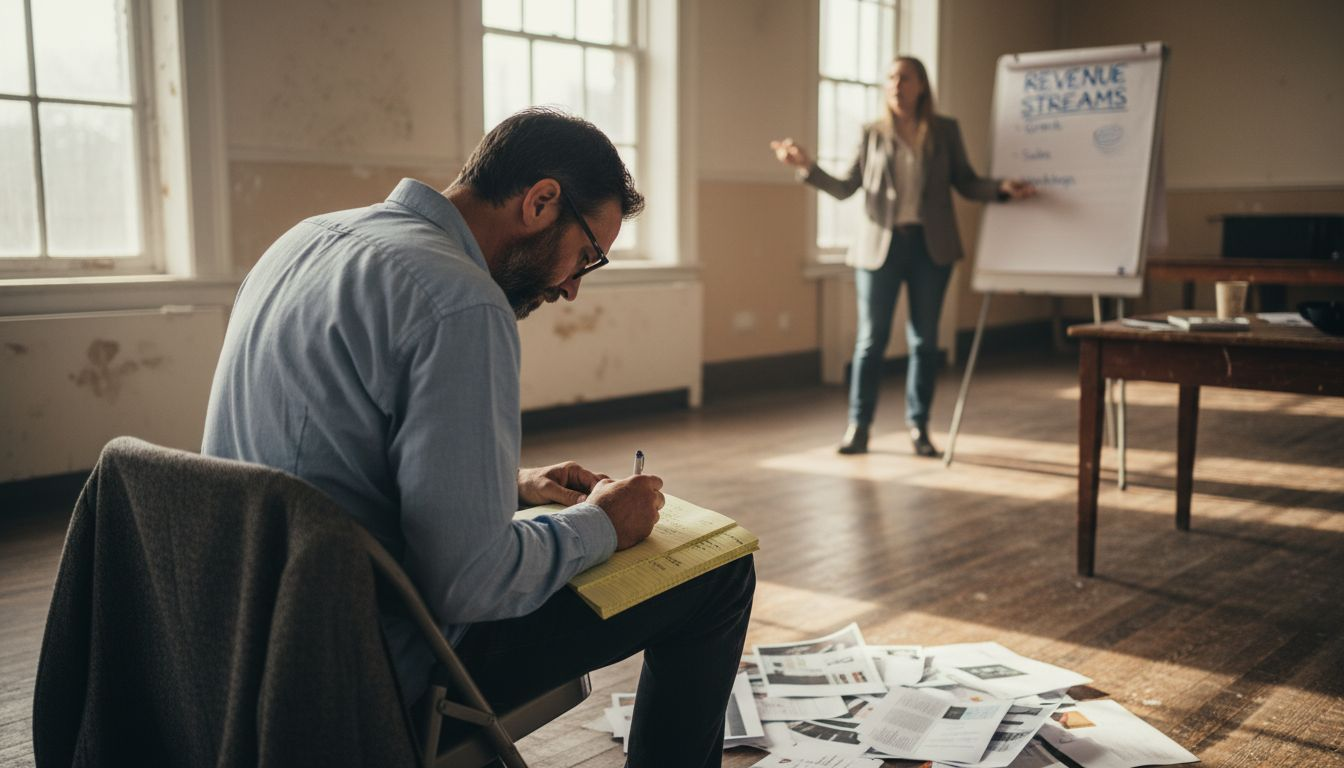
Arts entrepreneurship education plays a critical role in transforming creative professionals from talented artists into sustainable business operators. Workshops provide artists with essential skills to navigate the complex intersection between creativity and commercial viability, addressing the significant skills gap that often challenges artistic career development.
Key business skills developed through targeted workshops include:
-
Financial Literacy: Understanding pricing, budgeting, and revenue streams
-
Marketing Strategies: Developing personal branding and promotional techniques
-
Legal Considerations: Navigating contracts, intellectual property, and business structures
-
Networking Skills: Building professional connections and collaborative opportunities
-
Career Planning: Creating sustainable long-term professional trajectories
Workshops offer a structured approach to business skill acquisition that goes beyond traditional educational models. Practical artist-led training programs provide real-world insights, teaching artists how to transform creative passion into sustainable economic opportunities. These interactive sessions break down complex business concepts into actionable strategies tailored specifically to creative professionals.
Business training within artistic contexts develops critical social and entrepreneurial skills essential for sustaining creative careers in a competitive marketplace.
The transformative power of these workshops extends beyond immediate skill acquisition. By equipping artists with practical business knowledge, these programs help overcome traditional earnings disadvantages and empower creative professionals to take control of their economic futures. They bridge the gap between artistic talent and commercial success, providing artists with the confidence and competence to treat their creativity as a viable professional pursuit.
Pro tip: Approach business workshops with an open mind, actively participate in exercises, and view them as practical investment in your creative career’s long-term sustainability.
Peer Collaboration and Building a Network
Creative workshops create collaborative spaces that transform individual artistic practice into a collective learning experience. These environments break down traditional isolation by providing neutral platforms where artists can connect, share insights, and co-create knowledge across different skill levels and backgrounds.
Effective networking and collaboration strategies include:
-
Virtual Meetups: Connecting with artists globally through online platforms
-
Peer Critique Groups: Establishing regular feedback sessions
-
Cross-Disciplinary Projects: Collaborating with artists from different creative domains
-
Mentorship Exchanges: Creating reciprocal learning relationships
-
Professional Interest Networks: Joining industry-specific creative communities
Peer mentoring groups offer structured opportunities for artists to exchange feedback, increase professional confidence, and access valuable industry insights. These networks function as dynamic support systems that help artists overcome creative challenges, stay motivated, and expand their professional horizons.
Collaborative workshops dismantle hierarchical dynamics and enable emergent collective creativity through equitable knowledge exchange.
The power of collaborative networks extends beyond immediate professional benefits. By creating supportive communities, artists can combat professional isolation, generate innovative ideas through diverse perspectives, and build sustainable career pathways. These connections become critical resources for inspiration, opportunity discovery, and continuous professional development.
Pro tip: Approach networking as a genuine relationship-building process, focusing on mutual support and collaborative potential rather than transactional interactions.
Common Pitfalls and How to Avoid Them
Workshop planning requires strategic preparation to prevent common challenges that can derail creative learning experiences. Artists and facilitators must anticipate potential obstacles and develop proactive strategies to maintain workshop effectiveness and participant engagement.
Key pitfalls to watch for and address include:
-
Unclear Objectives: Failing to define specific workshop goals
-
Participant Misalignment: Selecting attendees without considering skill compatibility
-
Inadequate Structure: Lacking a detailed, flexible workshop agenda
-
Fear of Experimentation: Creating environments that suppress creative risk-taking
-
Passive Learning: Defaulting to lecture-style instruction instead of interactive experiences
Redefining mistakes as learning opportunities transforms workshop dynamics, encouraging participants to embrace experimentation and creative vulnerability. By normalizing unexpected outcomes and focusing on process over perfection, facilitators can create psychologically safe spaces that foster genuine artistic growth and innovation.
Successful workshops balance structured guidance with creative freedom, allowing participants to explore without fear of judgment.
Effective workshop design requires ongoing adaptation and participant-centered approaches. This means continuously soliciting feedback, remaining flexible in facilitation techniques, and creating environments that value individual learning styles while maintaining clear developmental objectives. Understanding and mitigating potential challenges becomes as important as the content being taught.
Pro tip: Always develop a backup plan for workshop activities and be prepared to pivot your approach if participant engagement seems low or initial strategies aren’t working effectively.
Unlock Your Artistic and Business Potential with Workshops That Work
Artists often face the challenge of balancing creative growth with building a sustainable income. This article highlights how workshops boost skills, confidence, and business knowledge yet many artists struggle without structured support and a clear plan. At The Biscuit Factory, we understand the pain points of mastering both artistic techniques and vital business skills like pricing and marketing. By focusing on collaborative learning, network building, and practical entrepreneurship strategies, our platform helps Irish creatives overcome isolation and uncertainty to build profitable careers.
Whether you want to sharpen your technical skills or develop effective sales strategies, The Biscuit Factory offers live coaching and workshops tailored to your growth goals.
Take control of your creative journey today with a community designed specifically for Irish artists, makers, and entrepreneurs. Explore our membership options that provide affordable, expert-led sessions and start mapping out your 2026 growth plan now. Don’t wait for opportunity to find you. Visit The Biscuit Factory and join a supportive, algorithm-free space where your artistry and business flourish together.
Frequently Asked Questions
What are the benefits of attending artistic workshops?
Attending artistic workshops offers several benefits, including direct hands-on learning of technical skills, opportunities to build professional networks, increased confidence through feedback, exposure to diverse perspectives, and structured paths for career development.
How do workshops facilitate collaboration among artists?
Workshops facilitate collaboration by creating supportive environments where artists can connect, share insights, and co-create knowledge. This interactive space encourages group ideation, feedback exchanges, and cross-disciplinary projects, breaking down traditional isolation.
What types of skills can artists develop in workshops?
Artists can develop a range of skills in workshops, including technical skills related to specific artistic techniques, digital art integration, collaborative innovation, business skills like marketing and financial literacy, and career planning strategies to ensure sustainable creative careers.
How can workshops help improve an artist’s business acumen?
Workshops can improve an artist’s business acumen by teaching essential skills such as financial literacy, marketing strategies, legal considerations, networking skills, and career planning, thereby enabling artists to transform their creative passion into sustainable economic opportunities.